What are design signatures and why are they useful?: A summary
What: Design signatures are traces of design activities
- A design signature is a tracing of design activities a designer has traversed while they are engaged in a design process. The original design process is typically invisible, but it is possible to create visible representations that we call design signatures.
- Design signatures based on a design experience can be:
- literal representations of activities that occurred that are recorded or remembered (such as timelines).
- interpretive representations that are abstract interpretations of a design experience.
Why: Design Signatures let designers see and improve their design process
- Visible representations of the invisible design process can be used by designers to become better designers through asking themselves questions and reflecting on their design process both in the moment and retrospectively.
- Looking to the future, a designer could have an aspirational design signature — a way they would like their design process to unfold going forward.
- Try it out yourself! See your own design process so you can intentionally improve it. Become a more intentional, adaptive, resilient designer!
How: There are many ways to create Design Signatures
- This website is designed to help designers capture and create design signatures, both literal and interpretive representations.
What are design signatures and why are they useful?: In detail
What is a design signature?
A design signature is a tracing of design activities a designer has traversed while they're engaged in a design process. The original design signature is typically invisible, but it is possible to create a visible, visual representation.
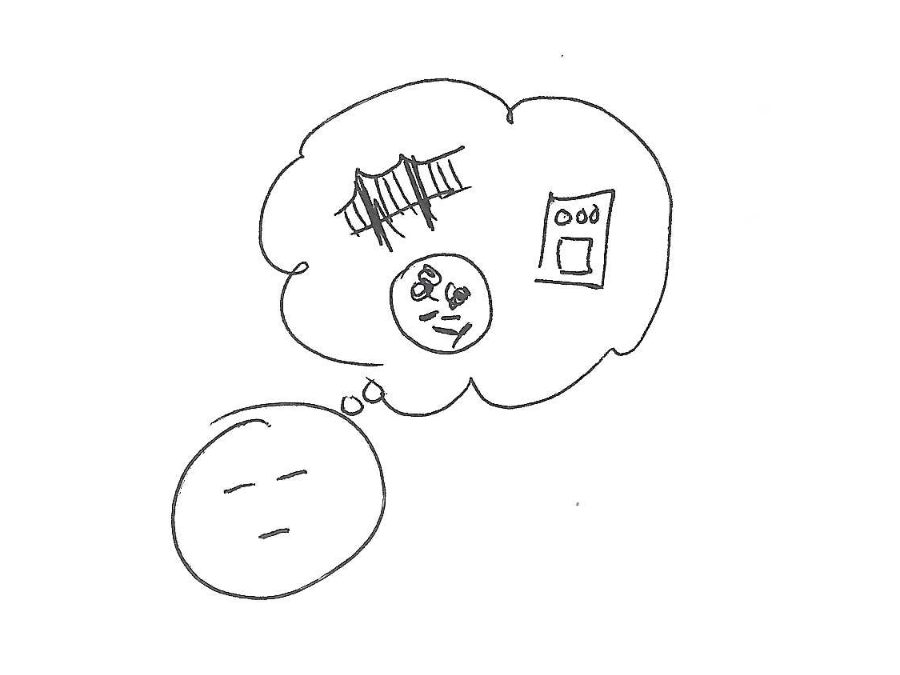
We all do design, whether it’s figuring out what's for dinner, creating a social media post or building a bridge.
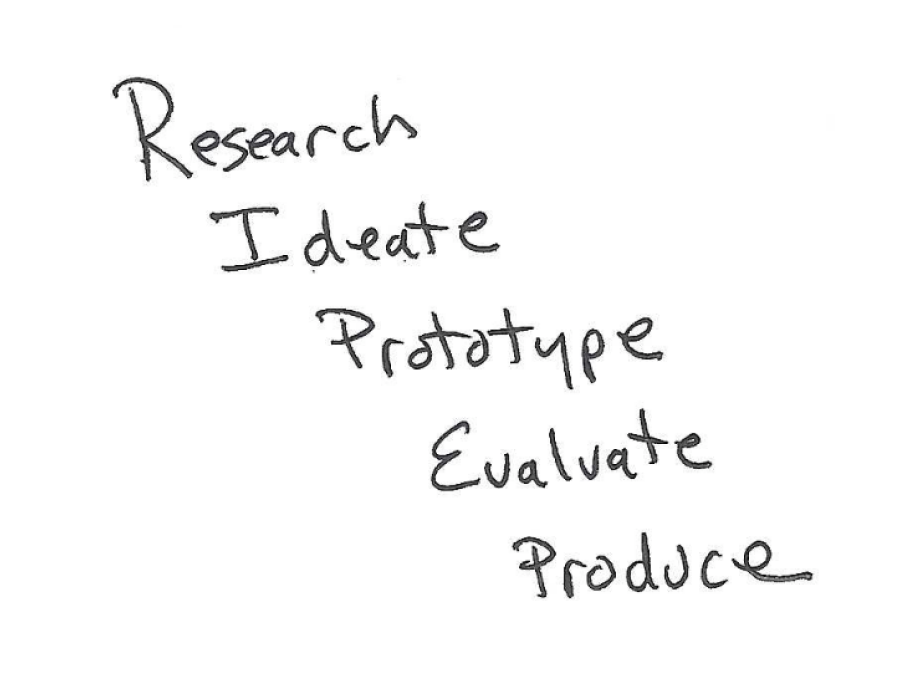
Engaging in a design process involves traversing through a set of design activities.
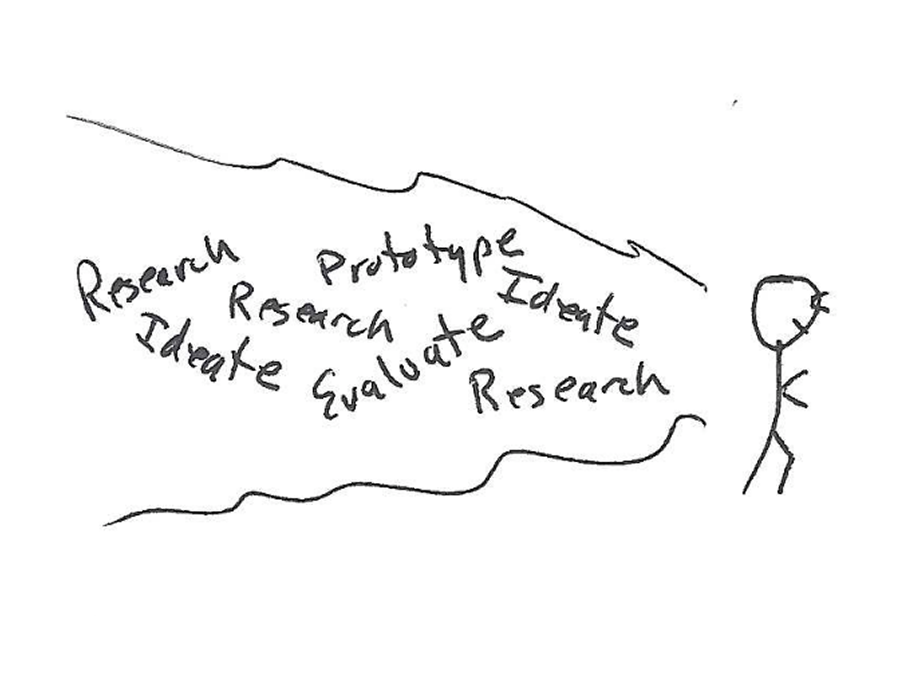
As a person engages in a design process, over time, they enact design activities in an order that makes sense for the particular project they're engaging in.
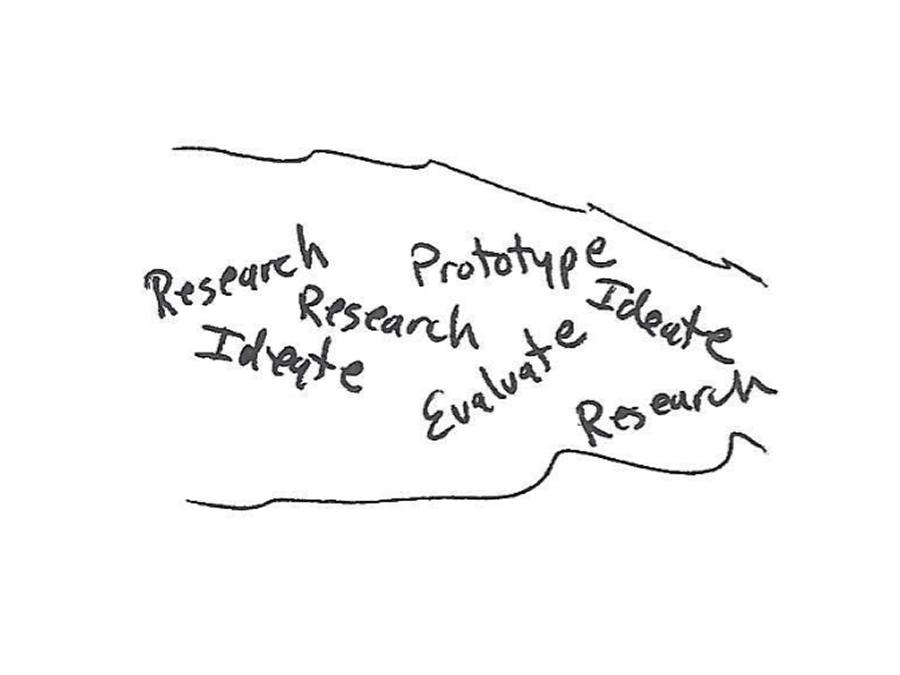
A design signature is a tracing of the activities a designer engaged in over time. The original design process is typically invisible, but as we make a tracing, we can make the invisible process into a visible representation.
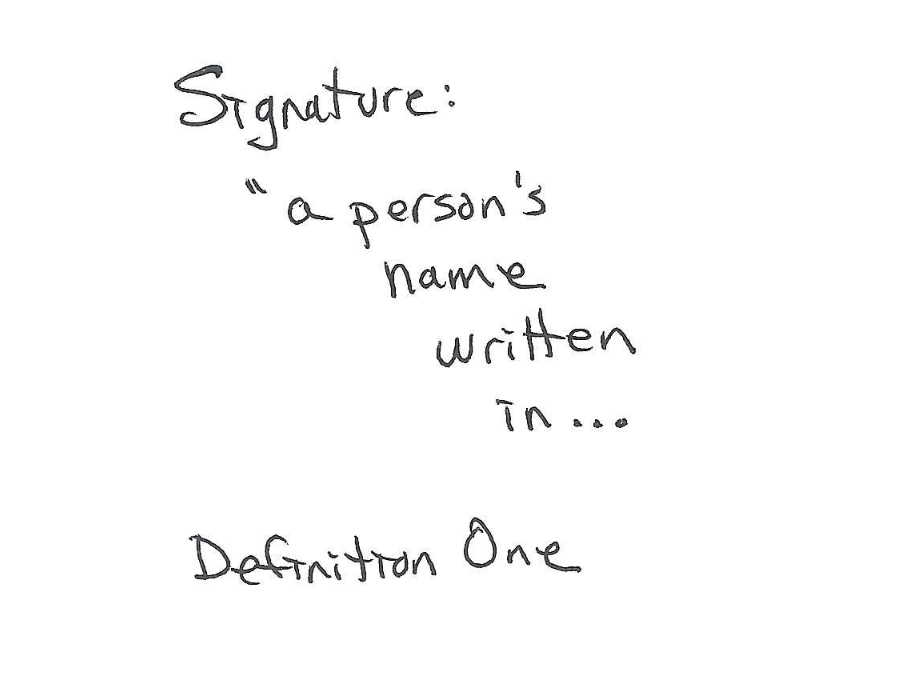
The dictionary definition of a signature is: "a person's name written in a distinctive way as a form of identification (Oxford Languages).
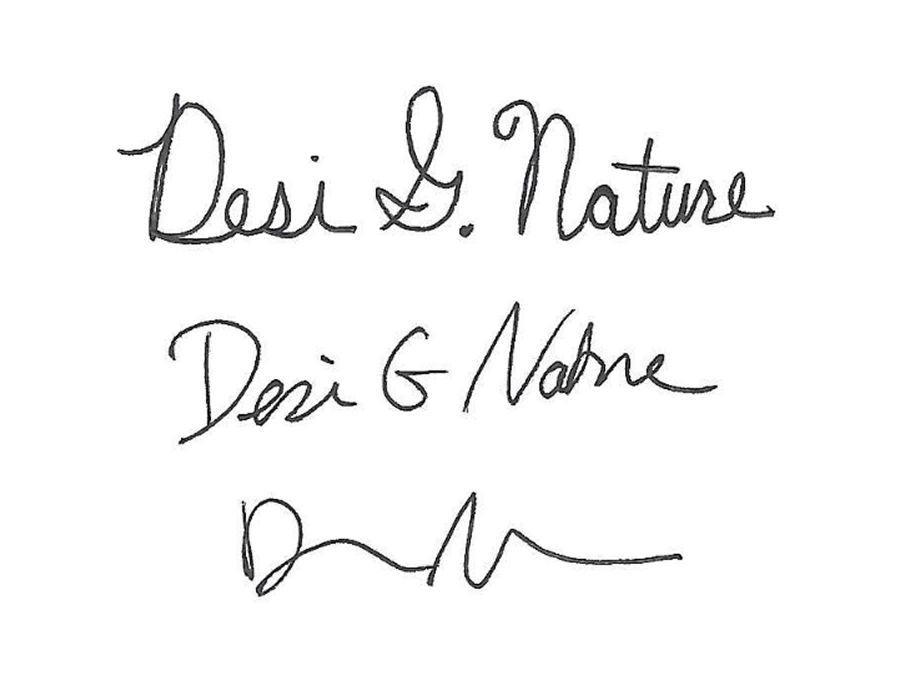
When we sign our name, our signatures change over time and context. A person's name stays the same, but their signature when they first learn to write is different from their formal signature as an adult, which is also different from the signature they use to buy a cup of coffee on an electronic device.
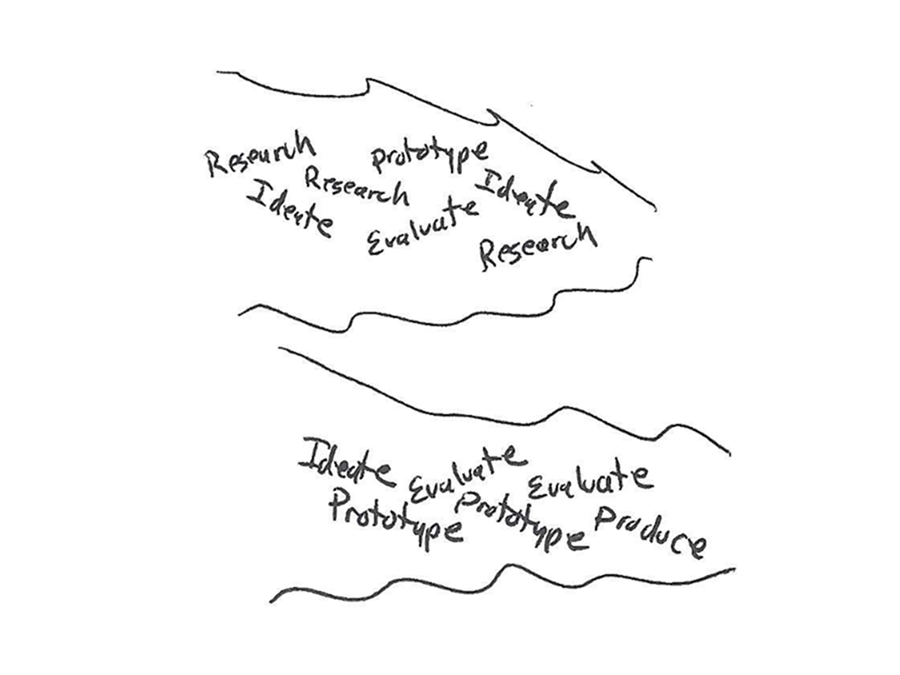
Just like our signatures of our names, a design signature is different for design projects with different contexts. Sometimes designers do a lot of research to understand the situation, sometimes designers jump in and start creating solutions right away. Sometimes they may finish prototyping and decide to return to ideation to generate more ideas for other prototypes or go straight to production.
Making invisible processes visible: Literal design timelines and interpretive abstract representations
Design signatures can be either 1) literal representations of activities that are recorded or remembered (such as a timeline), or 2) interpretive representations that are abstract interpretations of a design experience.
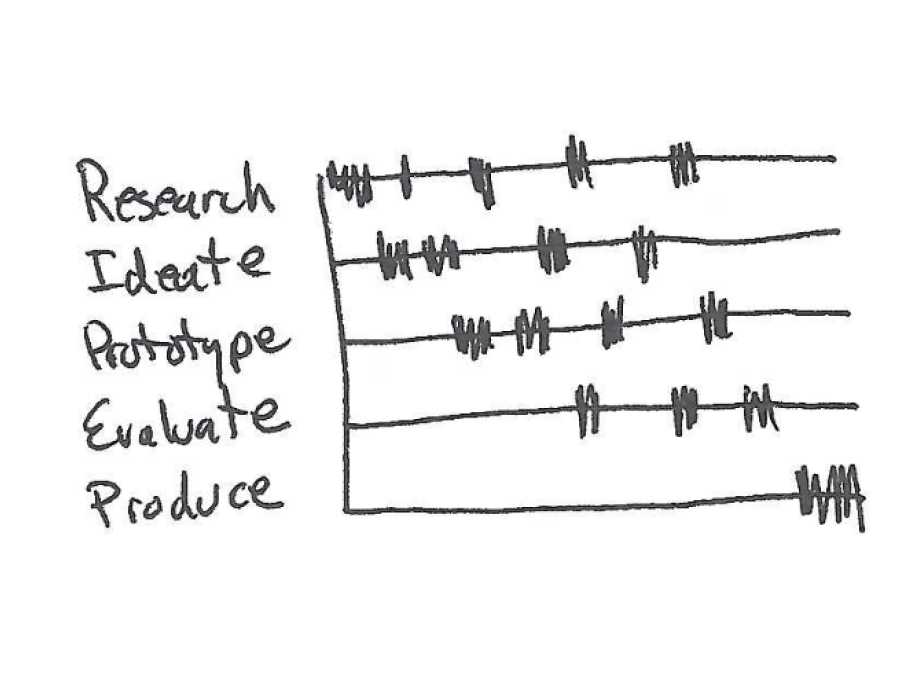
A design signature can be a literal representation. Design activities can either be captured during the design process itself, or can be estimated from memory after the design process is over. This data can then be displayed in a timeline representation to see the pattern of design activities the designer engaged in over time during their design process.
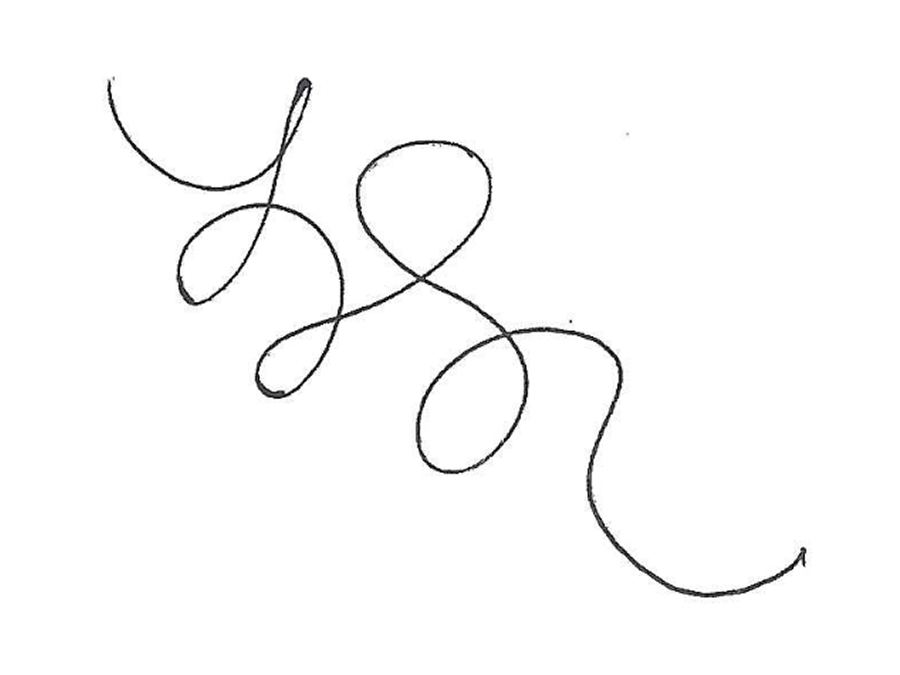
A design signature can be an interpretive representation. In this case, the designer captures or remembers their design process and makes an abstract representation of attributes that are meaningful to them.
Using design signatures: Tools for reflection and looking to the future
Visible representations of the invisible design process can help a designer ask questions about their design processes, reflect on themselves as designers, and grow their design identity.
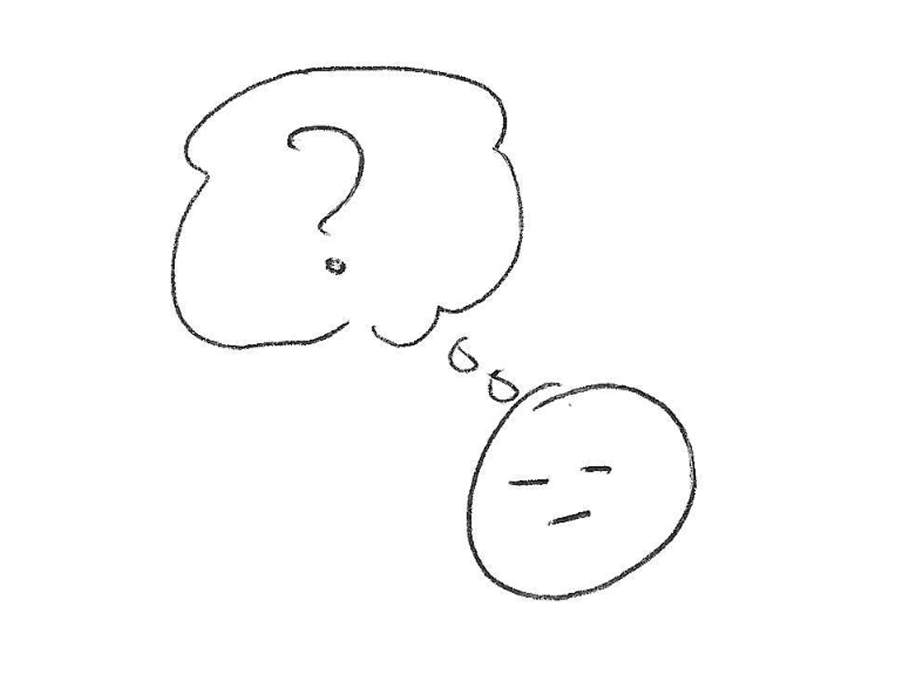
Making invisible design signatures visible enables designers to reflect on their own design process and answer questions for themselves. In this way, designers can build their design awareness.
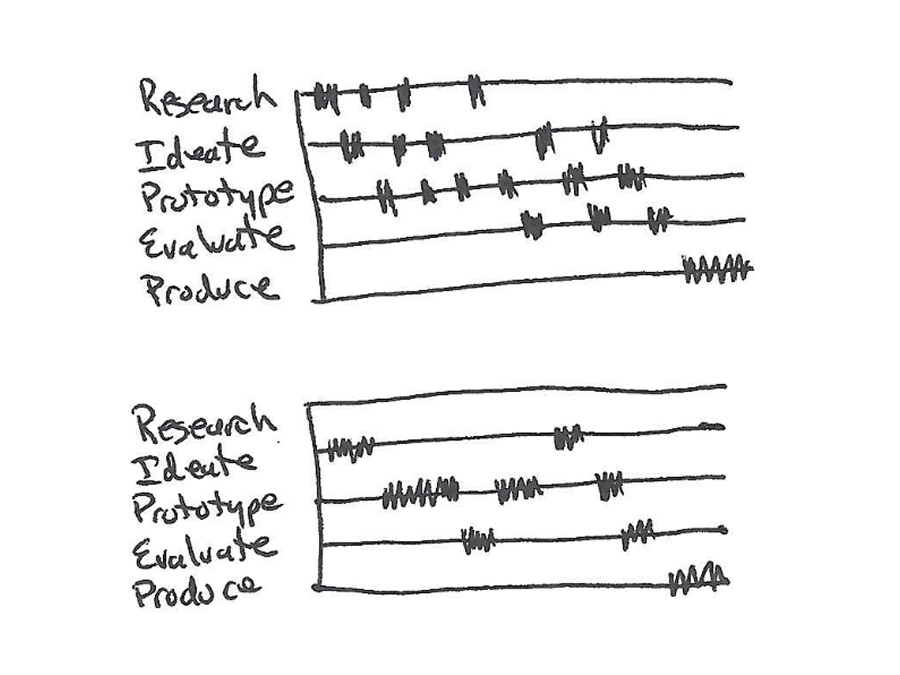
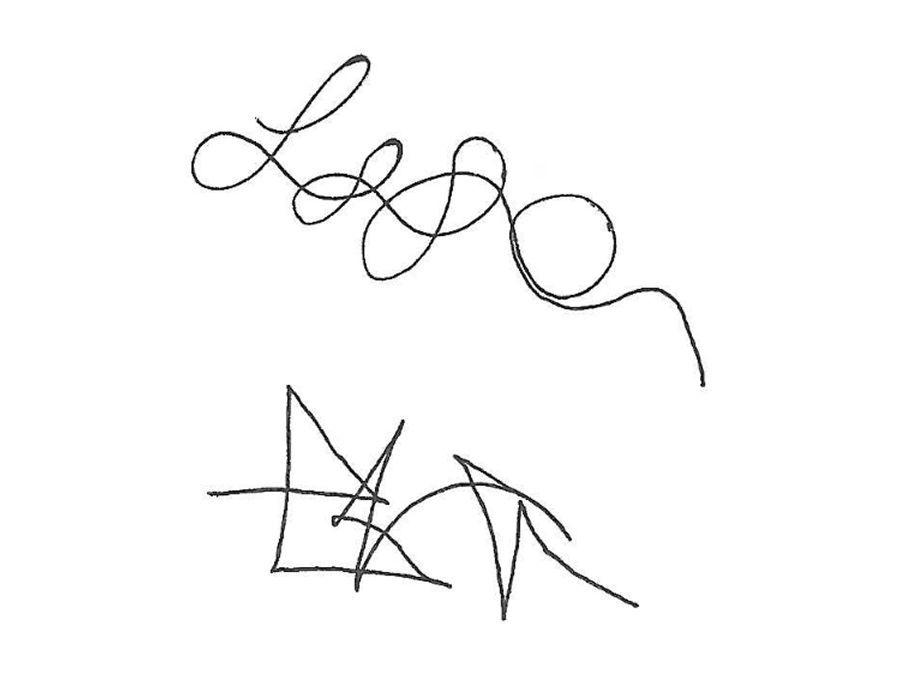
Design signatures (both literal and interpretive representations) can be compared to each other and compared to outside representations to notice patterns. Designers can then determine whether they would like to change their future design processes, and how they might change them.
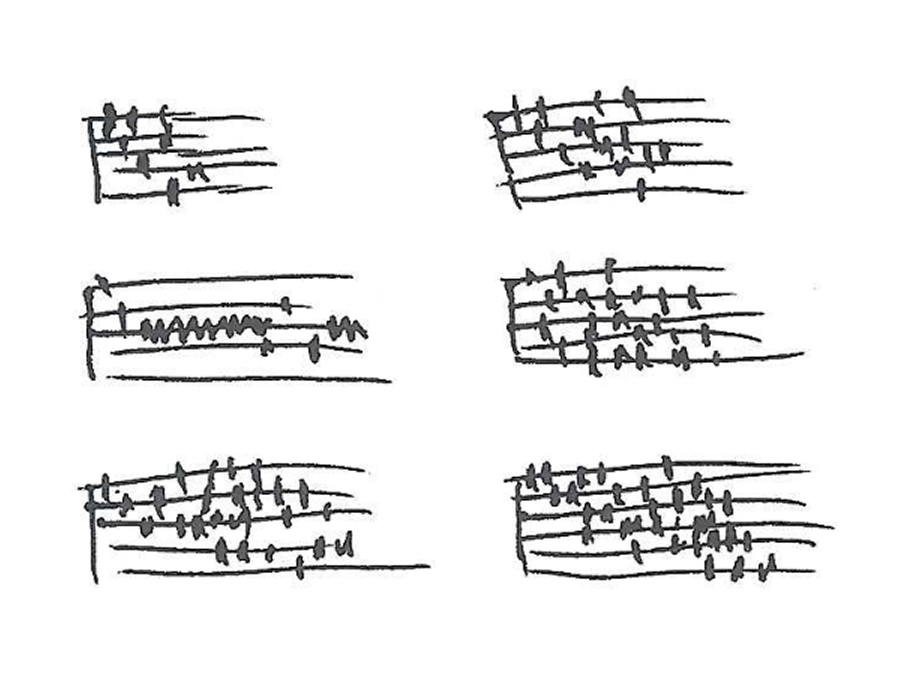
To illustrate, design timelines captured from expert designers have been shown to have different patterns of design activity than novice designers. A designer may choose to have their future design processes look more like an expert’s design process than a novice process.
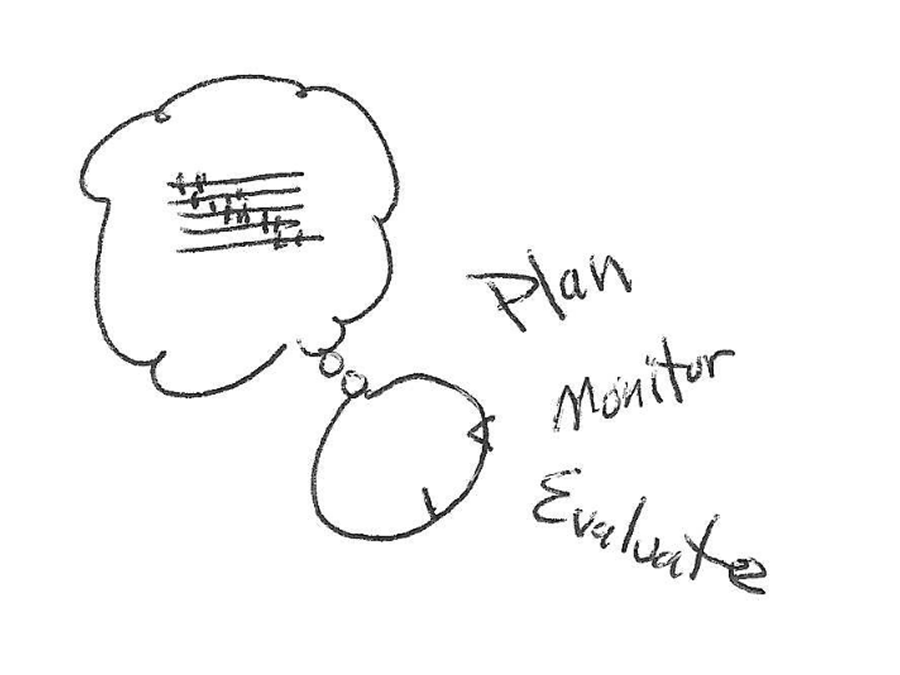
Designers can engage in design metacognition, or thinking about their design processes overall. This could include using their design signatures to help guide their future design activities, to monitor how they're engaging in design processes while they're in the middle of the process, and evaluate how they did after the process is over.
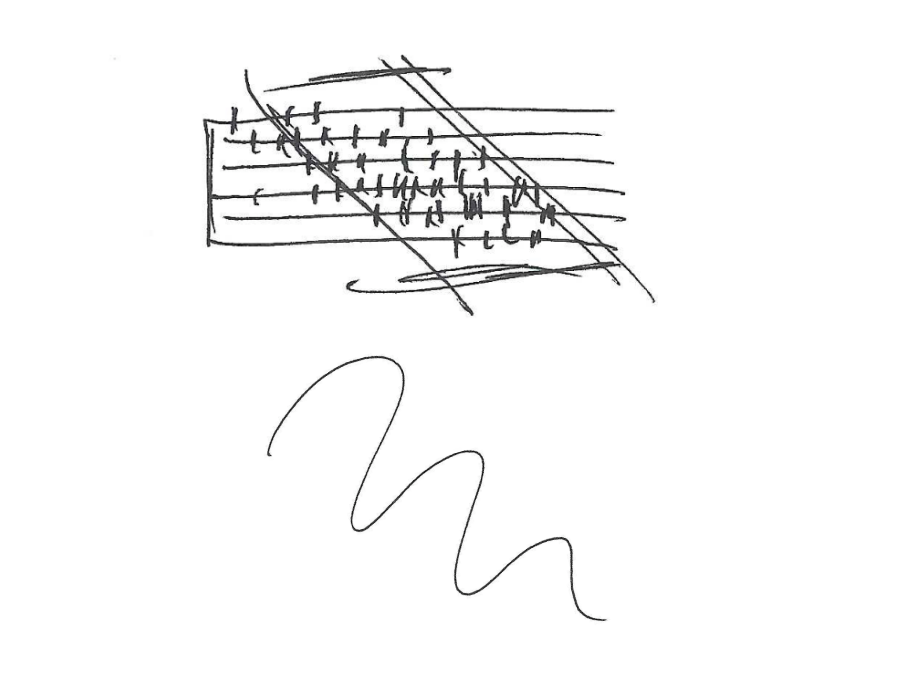
Designers can reflect on who they want to be as a designer and what kind of design signature they would like to leave when they engage in future design processes. This can be called their aspirational design signature.
A secondary dictionary definition of signature is: "a distinctive pattern, product or characteristic by which someone or something can be identified” (Oxford Language.)
From this secondary definition of “signature”, a design signature could also be used to indicate an aspirational version of a design signature a designer would like to leave behind as they engage in future design projects. In this website we will use the term “design signature” when we are referring to literal or interpretive representations of a design process, and we will use the term “aspirational design signature” when we are referring to future design signatures.
How can I create my own design signatures?
A goal of this website is to help designers capture their design activities and create design signatures. There are many ways to create literal design timelines and interpretive abstract representations.
We encourage you to check out our Creating resources to find ways to capture design process tracings. You could also jump to our Design Signatures App to try making your own design signatures.
You may find inspiration from Example Design Signatures, a gallery of multiple types of design signatures. For interpretive postcard-style design signatures, browse the Postcard Journey from the Dear Design seminar, and the postcards from the Design Process Resilience seminar.